If you’ve recently introduced a brand-new bulldog into your home, firstly, I’d like to say congratulations! You are in for a very fun (and occasionally very wild) ride. As a bulldog parent myself, I know just how much joy these boisterous doggos can bring to life – but, on the other side of the coin, I also know how difficult they can be during training bulldogs. That’s why I’ve compiled a list of the best tips to make training bulldogs a breeze – from veterinarians, doggy experts, and bulldog pet parents alike.
Let’s jump straight to it, shall we?
- Pre-training bulldog tips
- Check for injuries
- Start training ASAP
- Put frozen toys in freezer
- Give them a toilet break first
- Create a training place or spot
- Set a realistic goal for each session
- Bonding over bullying
- Don’t train after breakfast or dinner time
- Remove toys and other distractions
- Try to train at the same time every day
- Create a list of all tricks and commands you’d like to teach your bully
- Aim for one command or trick per training session
- Learn your bulldog’s body language
- Games and fun ARE training
- Keep commands short
- Don’t berate your dog (or yourself)
- Make eye contact first
- “Practice” the command beforehand
- Record your sessions
- Adjust training sessions for different weathers
- Work it in your routine
- Use feeding time as opportunities to train
- Understand their breed and temperament
- Remember that training is meant to be fun
- There’s no such thing as perfection
- Training bulldog tips
- Ignore unwanted behaviour
- Start with a training command
- Use hand signals as well as verbal commands
- Give your doggo time to work out your command
- Train indoors first
- Track progress
- Keep commands consistent
- Repetition, repetition, repetition
- Master one command at a time
- Have a praise word or phrase
- Patience is key
- Always have fresh water available during training sessions
- Show, don’t tell
- Reinforce eye contact frequently
- Short sessions are best
- Positive reinforcement only
- Stick to one command per session
- Break longer steps into small chunks
- Stay calm
- Fun training equals quicker learning
- All doggos learn at their own pace
- Don’t re-repeat commands
- Practice “home” tricks in outdoor locations
- Ensure everyone in the household uses the same commands
- Support your bulldog
- Rewards & praise tips
- Praise and reward positive behaviour
- Learn your bulldog’s favourite treat
- Change treats occasionally
- Celebrate every single win
- All good behaviour deserves praise
- Use toys and playtime as rewards
- Regularly touch and handle your doggo
- Learn what motivates your bulldog the most
- Reward enthusiastically… ish
- Keep food treats for rewards only
- Never underestimate the power of pets and scratches
- Use feeding time as opportunities to reward good behaviour
- Utilise stinky treats
- Let your bulldog choose their own rewards and treats
- Fade out food-based rewards
- Cycle through rewards and positive affirmations
- Jackpot treats
- Ending bulldog training tips
- Keep your eyes open for signs of overstimulation…
- Always end on a high
- Stop when your bulldog has lost interest
- Stop if you’re starting to lose your cool
- Stop when it's clear that your bully is not in the mood
- End with a game
- Delay in hot weather
- Delay in cold weather
- Stop if your bulldog shows signs of pain or injury
- Frequently practice commands throughout the day
- Training never stops
- Respect your bulldog’s limits and boundaries
- Have an ‘end’ word or phrase
- Offer water after training
- Frozen toys for post-training
- Walk away together
- Take them to a cool place afterwards
- Let your bully nap, too
- Troubleshooting tips
- Walk away
- Slow doesn’t mean no
- Bulldog won’t focus
- Bond first, then train later
- Leave complicated commands
- Every moment is a fun, learning moment
- Remind your bulldog that you love them
- Don’t take disrespect personally
- Start small and smart, then increase difficulty
- Give yourself a break
- Dog trainers exist…
- Bulldog training tools & equipment
- Training bulldogs tips: conclusion
Pre-training bulldog tips
The time before training your bulldog is just as vital as the actual time during training. Why? Because the before plays a huge part in how the training goes. If your bully is worked up, agitated, and probably a little over-tired, training won’t go well.
If, on the other hand, your bully is well rested and calm, the training is much more likely to go well.
So, let’s learn what you can do before training, to make training bulldogs a breeze.
Check for injuries
It’s a good idea to check your bulldog over for any health issues or injuries before you begin with training. To start with, it gets you – the pet parent – into a regular routine of checking your doggo every day.
Secondly, it gives you a moment to bond with your four-legged friend before the hard work begins. You can fuss and give them scratches as you’re checking them – which is beneficial to your health as well as theirs.
Thirdly, you can make sure that you’re not putting your doggo under any undue stress. Trying to train when your bulldog is in pain or discomfort is probably not going to go very well.
Start training ASAP
As with most doggy breeds, the sooner you start training them, the better. English bulldog puppies (and pups of other breeds) can start training from around eight weeks of age, which is the same kind of age that puppies can be separated from their mothers and adopted by new pet parents.
You can still train older bulldogs. George (may he RIP) was four years old when he was adopted, and he knew absolutely no tricks or commands before that. Within a year or so, his new pet parent had sit, stay, and a whole host of other commands mastered.
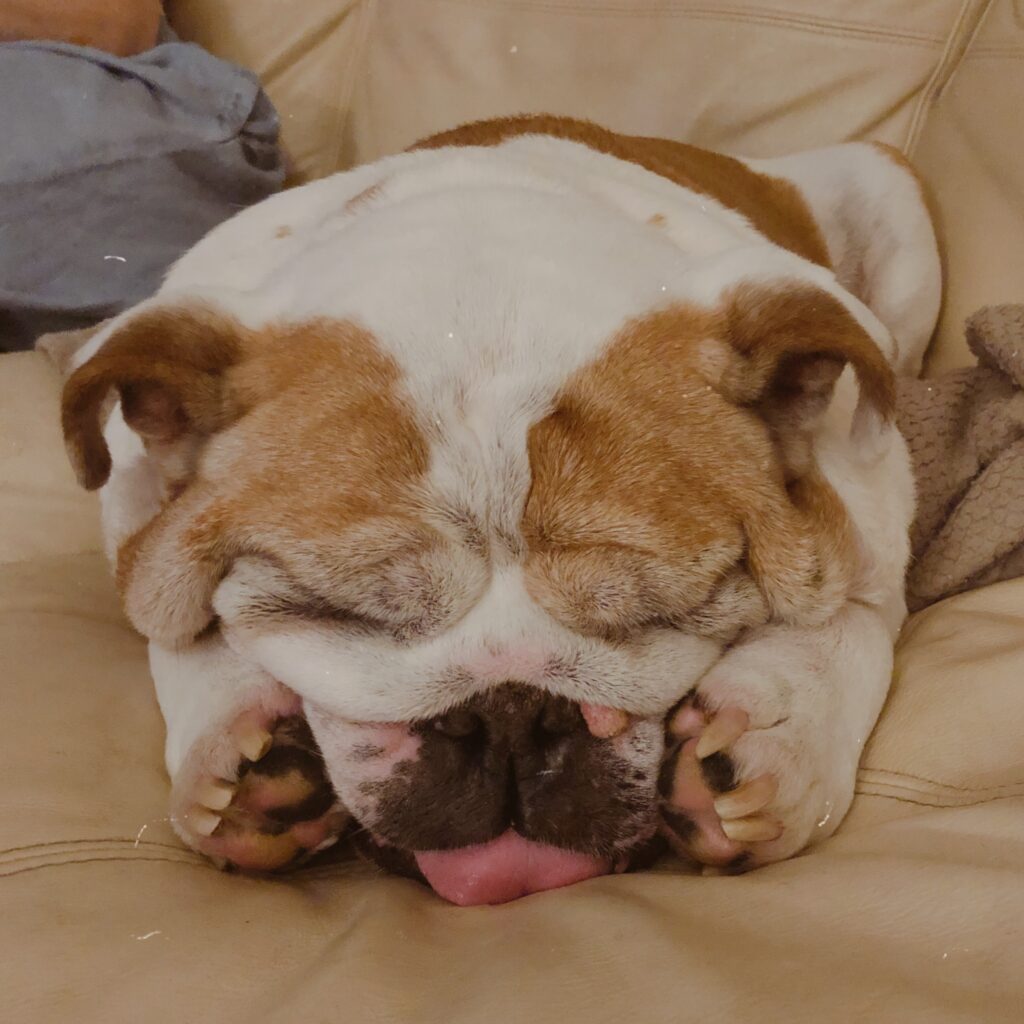
It seems that you can teach an old dog new tricks… with some time, patience, lots of praise, and a truckload of treats!
Put frozen toys in freezer
As you’ll learn more about how to train your bulldog, you’ll learn that food-based treats aren’t the only ones to motivate them into successfully completing your command. Frozen toys are a great reward on warm days… but only if you remember to actually freeze them!
You can put your dog’s regular toys in the freezer if you don’t have freezer-specific ones, but just make sure that it’s safe to do so beforehand; check the materials, etc.
Give them a toilet break first
Let your bulldog outside for a toilet break before training. This prevents any mid-training accidents and the need to break the session for a bathroom break. It also helps your doggo get comfortable with the routine. Bully goes outside, then training begins when they come back in.
Create a training place or spot
Have one spot in the home or garden that you use for training your bulldog. That one spot will then become part of your bully’s routine. When you go that specific spot with treats or other rewards in your hands or pocket, both you and your four-legged friend know that it’s training time.
It’s best to choose the quietest place in the house to start with, then move on to using commands in noisier and more heavy traffic areas. The quieter it is the less distractions there are.
Set a realistic goal for each session
Know which trick you’re going to train your bully before you begin. Why? Because in the time it takes you to figure out what you’re going to teach, your bully will likely have lost interest. Once a bully is bored, it is often difficult to drag back their focus.
Bonding over bullying
Try to reframe your perspective when training a bulldog. Rather than focusing on strict regimes and training schedules, aim to bond with you four-legged friend instead. Focusing on training and getting things right all the time can strain the bond you have with your English bulldog, which will make training much more difficult in the future.
Bonding, on the other hand, is fun, trust-building, and less stressful than training. The word seems nicer, don’t you think? Also, just that one change or reframe can make the world of difference when it comes to teaching your doggo how to behave.
Don’t train after breakfast or dinner time
There are several reasons why training your bulldog after breakfast or dinner time is a terrible idea, including:
- Lots of exercise and activity afterwards could make them vomit.
- Treats might not do the intended job as your bully is full and doesn’t want more food.
- Indigestion and other digestive issues.
- Increased risk of bloat.
It’s best to let your bulldog rest and remain calm after eating. Choosing that time to train them is a bad idea… unless you fancy a trip to the vet and/or cleaning up vomit for the rest of the afternoon.
Don’t say, we didn’t warn you!
Remove toys and other distractions
If there’s one of your doggo’s toys lying in the middle of the living room floor, there’s a high chance that your bulldog will see it, then choose to play with it… instead of completing your training command.
Remove toys. Turn the TV down or off. Make sure that all distractions are hidden or taken away and place out of doggy sight. Then, your bulldog won’t get distracted!
Try to train at the same time every day
Sticking with the same training times will be just as beneficial as sticking to the same training place – it all helps your bully to develop and keep to a routine.
It doesn’t need to be on the dot, but keeping to a rough time, i.e. lunchtime, will help you both stick to the training schedule – and if you don’t, you’ll have a grumpy, bratty, impatient, stroppy potato that weighs almost as much as bedroom furniture. (A bulldog, in case that wasn’t clear.)
Create a list of all tricks and commands you’d like to teach your bully
Create a complete list of all the tricks you’d like to teach your dog. Why? Because you can then work through them, one by one, methodically – starting with the most important ones, such as ‘drop.’
If you’ve ever chased a bulldog around the house, trying to retrieve a kitchen towel that they’ve run off with, you’ll understand why ‘drop’ is so flippin’ important!
Aim for one command or trick per training session
Too many commands at once will confuse the whatnots out of your English bulldog, and that’s not going to help either of you as far as training goes.
Pick one command or trick, then focus on that for the entire session.
Learn your bulldog’s body language
Do you know how your doggo looks when they’re stressed? Tired? In pain? Hungry? Knowing those things – and more – is vital for noticing problems early on, before they become big problems.
Spotting the signs of frustration, boredom, or annoyance is also key to stopping training at the right time. You can stop before your bulldog gets overstimulated (etc.) rather than waiting for them to turn grumpy.
Games and fun ARE training
Before you throw the ball or let your bulldog have their favourite toy, make them do something. We have trained Frank the Bulldog to ‘sit’ before we let him have his favourite octopus toy, and you can use the same idea — make your doggo sit, lay, be quiet, smile, or even bark for what they want.
So, next time you go to give your pets their toy or treat, make them do something first!
Keep commands short
“Sit” is a much easier command to learn, then understand than something like, “sit on your bed,” or “sit down.”
The shorter you keep your commands, the easier and quicker your bulldog will pick them up. Don’t complicate things. One word is better than two: sit, bed, cage, down, calm, etc.
Don’t berate your dog (or yourself)
We all make mistakes. The same can be said for your four-legged furry friends. Don’t give your doggo – or yourself – a hard time for messing up. Just remain calm, restart with eye contact, and try again.
Or, as you know by now, walk away and try again later.
Make eye contact first
Before you begin training make sure that you have your bulldog’s undivided attention. Make eye contact with them. This shows that they are listening and paying attention to you rather than focusing on something or somewhere else.
“Practice” the command beforehand
By this I mean, get comfortable with the word or phrase, the hand motion that goes with it, and how to motion for your bulldog to do the command.
Practice makes perfect, as they say, and you can ensure that you know what you’re doing, are happy and comfortable doing it, and know how to convey that information to your four-legged friend.
Record your sessions
Prop your phone up so that you and your bulldog are in the screen, then hit record. Recording your training sessions is great for pinpointing where your bully (or you) went wrong, at which point you can then fix it.
Sometimes, you can’t see your doggo’s progress until you watch it from the outside.
Adjust training sessions for different weathers
If it’s raining hard outside and your doggo doesn’t want to go out, perform a training session at home instead. Alternatively, if your bully loves the rain, use it as the motivation.
Hot weather is also a good time for your bulldog to learn how to stay calm, lay down, or sit – inside the home. We all know how much bulldogs and hot weather don’t mix! Use it to your advantage, and turn into a teeny-tiny lesson that will benefit you both in the future.
Work it in your routine
Plan to make training bulldogs part of your everyday routine. Make it normal, natural, and a thing that you do every day, and your bulldog will accept that it is a normal, natural thing to do every day.
Implement it now and your life will be so much easier for it later. And, as Small Door Vet states:
“By making training part of your usual pet routine, it’s a lot easier to fit in many small sessions.”
Use feeding time as opportunities to train
I’ve previously mentioned using every opportunity to train your doggo and reward them for good behaviour out of training sessions, but one opportunity you should never pass up is feeding time.
Training your bulldog to wait for food stops them from pinching the kids or grandkids food later. It also makes feeding time a lot easier and less hectic, and it teaches your four-legged friends some patience, which is priceless in pet parenting.
If you’d like to see more of this, check out Pablo and Diego, from BulldogPabs. Their pet parent has taught them to wait before he clicks his fingers, at which point the doggos can eat.
Understand their breed and temperament
If you don’t know enough about bulldogs (or any other doggy breed,) then you’re not going to be the very best pet parent that you can be. Training English bulldogs is virtually impossible if you don’t have intimate knowledge of their mannerisms, stubbornness, and/or what motivates them and gets them going.
It’s also necessary to understand and get to know your specific doggo, breed aside. What gets them going? Are they food motivated? Or do balls and other doggy-safe toys excite them instead? What’s their most productive time of day? Which times of day do they lose focus?
These are all questions that you’ll be able to answer by properly and regularly training your bulldog. The more you learn, the easier training them will get!
Remember that training is meant to be fun
And it’s meant to be fun for the both of you! If it’s not fun, ask yourself why? What are you doing or not doing? What can you do to make it more fun?
Training shouldn’t be a chore: it should be a bonding, fun, learning exercise for both four-legged and two-legged friends.
There’s no such thing as perfection
A job well done is a job well done, whether it’s performed perfectly or not. You should still reward and praise your pet if they’ve done the thing that you’ve commanded.
You can’t be a perfect dog trainer, because there’s no such thing as perfection.
Your bulldog can’t be a perfect learner, because there’s no such thing as perfection.
Let some of that pet parent pressure go!
Training bulldog tips
Now feels like a good time to move on to the actual training part. Let’s dive straight in to the training bulldog tips and tricks that help to get your bored and unmotivated bully to finally learn those commands.
Ignore unwanted behaviour
It is important that you don’t treat or reward bad and unwanted behaviour. If your dog jumps up at you, continue to walk forward and completely ignore them.
You should only fuss, reward, and praise attention that you want them to do.
Throwing food at your dog to start them barking is an example of rewarding unwanted behaviour, and if you do it, you might want to stop.
Start with a training command
Use the word “training” or “lesson” as a command in itself. Train your pup to understand it, then go to that set-aside spot in the house for training.
Your bully will be much happier doing something when they’re aware and prepared.
Unknown places and activities can cause anxiety, so it’s best to avoid that.
Use hand signals as well as verbal commands
When training Frank the bulldog, his pet parent performed hand gestures alongside verbal commands, such as “sit.” This enabled them to communicate with him when they couldn’t speak, such as during Zoom meetings, etc.
Hand gestures are also great for big fields when your doggo might not be able to pet parents with gusty winds, during quiet time at home, and/or when you can’t remember the command. (It happens more frequently than you’d think as you get older.)
Give your doggo time to work out your command
If your bulldog is learning something new for the first time, make sure you’re giving them enough time to process and fully understand what it is you want. It might take them a few seconds sometimes, and that’s okay!
As we’ve previously mentioned, patience is key. Be patient with your four-legged friend, and give them a short space of time to mentally figure out your command.
Train indoors first
Make sure that you’ve mastered training bulldogs inside, at home, before you take them into the garden or out in the world and train them there, too.
Your doggo will feel safe at home, which will make them more relaxed and less likely to get distracted. Outside, on the other hand, has lots of smells and noises that your bully probably will want to investigate and discover.
Track progress
Alongside recording your sessions it’s also a good idea to track progress in a diary, journal, or app. In doing so, you can ensure that you’re not repeating tricks that your doggo has already learned. It also allows you to work through each command or trick systemically, keeping you both organised and in check.
Keep commands consistent
When training bulldogs – or any other breed, for that matter – it is important that you are consistent. We’ve previously mentioned that a consistent time and place is important for establishing routine and good behaviour, but it’s important that your verbal commands are consistent, too.
If you teach your bulldog to sit with the word, “sit,” you can’t then change the verbiage to “sit down” or “be seated.” Your bully might not understand the command. It is different, after all.
Use one consistent verbal command for each trick. Don’t change the words or phrases later on.
Repetition, repetition, repetition
According to Battersea Dog & Cats Home:
“Repetition is key when it comes to training your dog.”
Repeat the same command or phrase. Ignore your bully when they don’t do the command, and/or say “No.”
Then, praise your bulldog when they successfully perform the command.
Repeat that cycle for each command until learned.
Master one command at a time
If you try to train your bulldog too many things at one, you’ll confuse them – which will lead to unsuccessful results. Master one command at a time. Start with something like, “sit,” then, when your bulldog has sufficiently learned it, move on to the next, such as “lay.”
Have a praise word or phrase
Having a word, phrase, or even a hand signal that tells your doggo that they’ve done a good job or behaved well helps when you don’t have treats in your pocket. For example, when you’re out and about, perhaps out for a walk, a word or phrase, such as, “Yes. Frank,” makes the perfect stand in. (Frank’s pet parents use that exact phrase.)
You can say the phrase quicker than you can grab a treat from the tub in the kitchen, and those few seconds make all the difference when you’re trying to teach by positive reinforcement.
Patience is key
There’s no point in getting impatient and flustered with your English bulldog when they aren’t picking up tricks or training as quickly as you’d like; it won’t get you or your pet anywhere… well, apart from falling out.
If you can’t stay patient, stop training and walk away.
It’s best to delay training instead of losing your cool and potentially fracturing your relationship with them.
Always have fresh water available during training sessions
Not only that but you should never stop your bulldog from going to grab a few sips of water in the middle of your training session. Those adorable bullies are susceptible to overheating, so make sure they can grab a drink if they want one.
Show, don’t tell
Going back to what I said previously about teaching hand gestures to your doggo as well as verbal commands, it fits in nicely with the ‘show, don’t tell’ approach to training bulldogs.
Show your bulldog what you want them to do. And no, I don’t mean physically lying down on the floor: I mean using your finger to guide your bulldog’s nose to the floor as you teach them to “lie down” or “lay,” (although, if dropping to the floor works, heck, go for it!)
Reinforce eye contact frequently
Try to make eye contact every time you give your bulldog a command. Again, this is to make sure that you have their attention and focus, but also to create a bond where you understand each other a little more.
Eye contact shows that you are in control of things, which you should be as a pet parent. It also resets the situation if your training session has gone a little awry.
Short sessions are best
Bulldogs react better to short n’ sweet training sessions – multiple smaller sessions per day rather than one long session that bores them to literal sleep.
Two or three smaller sessions of five to ten minutes are best. Any longer than that and you risk irritating, draining, or agitating your bulldog, which can lead to snappy and destructive behaviour.
Positive reinforcement only
Several studies have shown that positive reinforcement is the best approach for training all dog breeds. Many, many, many studies have also shown that negative reinforcement has nothing but negative effects on both dogs and humans, and also the relationship they have.
Positive reinforcement is praising, rewarding, and offering treats for successful commands and wanted behaviours.
Negative reinforcement is shouting at, being violent to, punishing, harshly correcting, or abusing pets for not successfully completing commands and/or for displaying unwanted behaviour. This type of pet parenting focuses on reacting to bad/unwanted behaviours, which should be ignored instead.
Bulldogs will and do respond in a more positive way to positive reinforcement.
Stick to one command per session
Don’t try to train your bulldog all sorts of tricks at once. This will likely confuse them (and you, after a while,) and training will probably not go as hoped. As previously mentioned, you should pick one command, practice it beforehand, then train your bully.
Break longer steps into small chunks
“Calm down and go to your cage to sleep,” isn’t a command; it’s a series of commands.
“Calm,” and “Cage,” are easier commands to understand.
Break longer, more complicated commands and tricks into smaller, more manageable chunks. Those two commands can be used for more purposes than the one phrase alone, and they’ll be much quicker to teach your doggo.
Stay calm
Your boisterous bully might look (and feel) tough, but that doesn’t mean they don’t have feelings. They are, in fact, super sensitive to the way you – their pet parent – feel. What does this mean in reality? Simple: your mood dictates their mood.
If you shout at your bulldog, they’ll probably cower a little, roll over on to their backs to display their stomachs (a submissive move,) or even completely shut down. The same applies to your frustration or aggression; they don’t understand it, so it evokes fear and/or anxiety for them.
You are responsible for keeping things calm.
So, keep things calm, starting with yourself.
Fun training equals quicker learning
Adaptil UK sums things up nicely by saying:
“Make learning fun as your dog will respond much more quickly.”
The more fun you can make the training, the easier it will be for both you, the pet parent, and your pet. Nobody enjoys doing things that aren’t fun, do they?
All doggos learn at their own pace
You could’ve had one hundred bulldogs before, and you’ll still find one (or probably more) that isn’t like the others – in appearance, temperament, behaviour, motivation, and more.
Your last bully won’t be the same as this bully, so be prepared to change training schedules, plans, and sessions to best suit each one.
Don’t re-repeat commands
Try not to repeat the same command too often. This teaches your bully to ignore the command instead of reacting to it. Repeat the command once, twice, if necessary, but try to avoid any more than that.
Practice “home” tricks in outdoor locations
Get your bulldog comfortable with completing your commands anywhere and in any situation, by practicing the tricks you teach them at home, outside, such as in the park, riverside walks, etc.
This ensures that your bulldog always follows your commands, even in stressful or life-changing/saving situations.
Ensure everyone in the household uses the same commands
Training bulldogs is going to be a tough challenge when your spouse, kids, family friends, grandparents, and whomever else, use different commands to the ones you’ve taught your pet. This will confuse your bully and take longer for them to learn tricks and commands.
Support your bulldog
New things can be anxiety-inducing for bullies, and particularly bulldog puppies. It’s important to support your bulldog as best you can. Be supportive instead of punishing, and your bulldog will be much more accommodating.
Friend, not foe.
Rewards & praise tips
You shouldn’t underestimate the power of praise, treats, other rewards, and positive reinforcement – because, when used properly and in a timely manner, they are the most important tool in your bulldog training arsenal.
Let’s take a deep dive into our favourite tips n’ tricks to finding and using the right rewards and praise when training your bulldog, shall we?
Praise and reward positive behaviour
Praise and reward should be immediately given to your bulldog when they have performed a positive action or positive, wanted behaviour.
This applies to training sessions, but also outside of that, too. Around the house, out in public, and anywhere that your pupper is a very good boy or girl – all places (and times) that you should continue training and reward positive behaviour.
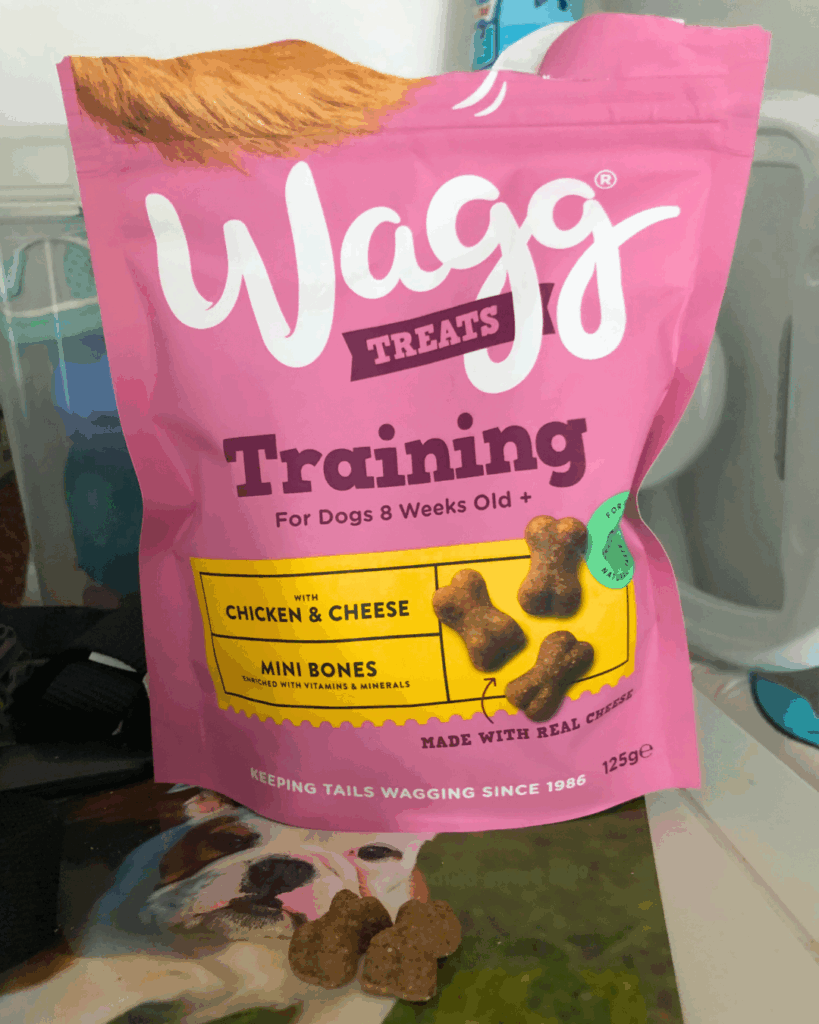
Learn your bulldog’s favourite treat
What is your bully’s favourite treat? Do you know? If you don’t know, you should find out. We talked about this in a lot more detail in Why Treats Aren’t Working to Train Your Bulldog & What to Do Instead, but to paraphrase:
“If the treats don’t excite or interest your bulldog, they’re not going to consider them worthwhile – so they won’t do the command.”
Try your doggo with different treats. Which ones do they seem to go wild for? Those are the best ones to use to train your bulldog!
Change treats occasionally
By changing the treats that you offer to your bully for successfully completing a command, you can ensure that they never get bored. For that reasons, I recommend keeping a list of “favourites” (the ones your doggo goes mad for,) and cycling through them.
This isn’t suitable for all bullies; some like the same ol’ treat every time. Others might not be so happy about that, though.
Celebrate every single win
You should celebrate every single thing your bulldog does right or positively. Why? Because they’ll soon associate that good behaviour with lots of love and fusses, so they’ll be more inclined to do it.
No matter how small, praise and reward successful commands and good behaviour at every possible opportunity. That’s positive reinforcement!
All good behaviour deserves praise
Don’t just treat or reward your bulldog during training sessions; use other times of the day and other occasions to train and reward your pet. For example, if your doggo doesn’t jump up at guests that enter your home, praise them.
That’s how positive reinforcement works: the positive (treats, scratches, treats) reinforces good behaviour. Your dog then associates good behaviour with good things, so will be more inclined to do as they’re asked!
Use toys and playtime as rewards
Food and doggy treats aren’t the only rewards you can give to your bulldog when they’ve successfully performed a trick or command; toys, fusses, scratches, playtime, and garden time are all effective carrots to dangle on that proverbial stick.
When you’re up against stubborn bullies, every little helps!
Regularly touch and handle your doggo
The more you touch and fuss over your bulldog, the more comfortable they will be with human touch. This is a vital part of socialisation training, especially when it comes to houseguests, children, and even household members – and, of course, it helps when you need to take your bully to the vet or groomer.
When you praise your bulldog, use physical touch (scratches, strokes, etc.) as the reward, too.
Learn what motivates your bulldog the most
Sometimes, treats and human food won’t be enough to get your bully to move or complete your command. Some bullies have a love for garden time, or a specific toy, or even rough n’ tumble time with Mum or Dad.
If food isn’t motivating them, learn what will.
Plus, it’s always best to have extra tricks up your sleeve.
Reward enthusiastically… ish
If you get too excited and/or enthusiastic when you reward your bulldog, you run the risk of scaring them, startling them, or even overwhelming them. There’s a lot to remember and consider, I know, but knowing the fine line between enthusiastic and too enthusiastic – with your doggo specifically – will help make training so much easier for you!
Keep food treats for rewards only
Let’s say for a moment that you feed your bulldog a piece of ham as their reward for successfully completing a command… but you also feed your bully scraps of ham whenever you reach into the fridge.
Overusing treat and food-based reward encourages obesity and stops those foods becoming a useful training reward.
Keep the treats (especially human food-based treats) to a minimum and your doggo will be much more motivated during training sessions.
Never underestimate the power of pets and scratches
Reward and treats don’t always have to come in the form of food, toys, or other physical items; belly scratches, head rubs, strokes, or other forms of petting also work well in a training environment. They’re also a great way for you to bond with your furry friend(s,) forge loving and understanding relationships and get to know each other better.
So… what are you waiting for?
It’s time to get to scratchin’!
Use feeding time as opportunities to reward good behaviour
Feeding time is a great time to treat and reward your doggo when they’ve behaved well. Good behaviour during feeding – or any other time – should be rewarded. It is one opportunity out of many to train them and reinforce positive behaviour.
The more opportunities you take, the quicker your bully will learn. It’s as simple as that.
Utilise stinky treats
This tip for training bulldogs will likely work better when used with bullies that are food motivated, but it has also been shown to work on older dogs, just like George (may he RIP,) who wasn’t food motivated in the slightest.
The stinkier the treat or reward, the higher the chances it will excite or interest your bulldog. The trick works well with older doggos, doggos with smell difficulties, and particularly stubborn bullies.
Well, it works most of the time, anyway.
Let your bulldog choose their own rewards and treats
By giving your doggo, the freedom to pick their own rewards and treats for good behaviour (while using a clicker and/or positive tone and verbiage) you are learning more about what motivates them.
The toy or treat they consistently choose will more than likely be their favourite, and you’re also giving them freedom to make independent decisions, which will enhance their decision making and critical thinking skills.
Fade out food-based rewards
Once your bully starts to get the hang of a certain trick or command, start replacing the physical, food-based rewards with toys, pets and scratches, and positive words with a positive tone.
This ensures that you aren’t over feeding your bully during the training process… which can cause all sorts of issues later down the line!
Cycle through rewards and positive affirmations
Don’t always give your doggo a food-based treat; offer a variety of things to keep your bully on their toes and stop them from getting bored and/or frustrated. Use a toy one time, then food-based treats the next. You can also offer lots of pets and belly rubs, garden time, extra walks, iPad time (for iPad kids,) frozen toys, and much more besides.
Use the things that your bully loves and enjoys, to motivate them and encourage them to learn!
Variety is the spice of life, as they say.
Jackpot treats
The thing your doggo goes mad for the most, should be the reward used for really good behaviour. Small pieces of cheese are great in these situations. Frank the Bulldog goes mad for ice cubes. George the Bulldog (may he RIP) went mad for apple slices.
Jackpot treats are for when your bully is the very best girl or boy.
Ending bulldog training tips
Just as starting training sessions in the right way is important, the way that you end them will dictate the mood for the rest of the day and how successful your training will be over all.
Here are the best tips and tricks for ending training bulldog sessions, particularly when to quit or delay the session:
Keep your eyes open for signs of overstimulation…
…and immediately STOP training once you see those signs.
Overstimulation can look different in different doggos, and knowing the early signs of it can ensure that you stop the training session before one or both of you get grumpy, bored, aggressive, or just plain upset.
The most common symptoms of overstimulation in bulldogs are:
- Increased vocals, such as barking, whining, and crying
- Jumping up on furniture, people, windows, doors, etc
- Fast panting and other breathing changes
- Biting, nipping, and chewing
- Generalised bad behaviour
- Ignoring commands
- Not settling or calming down
- Tense muscles and limbs
Always end on a high
Ending things on a good note is a lot better for both you and your bulldog than ending things on a bum one. When your doggo successfully performs the trick or command a couple of times, give them treats, rewards, and fusses, then leave it there.
Leaving things on a good or high note means that your bully will be more excited to follow your commands again in the future.
If your bulldog hasn’t successfully completed the command that you’re trying to train them, stop, pause, reclaim eye contact with your pet, then offer a command that they do know – every time. Perhaps the first ever trick or command, you taught them?
In doing so, you’ll be ending the training session on a positive.
Stop when your bulldog has lost interest
Forcing a bulldog to do something they don’t want to, is a little bit like poking an already-angry bar… in a more slobbery and less vicious kind of way.
If your bulldog has lost interest, just stop training. You can always come back to it later. Break up training monotony with fun activities and pets/scratches, and you might find that your bulldog is a lot more motivated to perform your commands.
Stop if you’re starting to lose your cool
Walk away if you’re feel annoyed, irritated, or impatient with your English bulldog. They can pick up on your mood and temperament a lot more than you’d think, and the absolute last thing you’ll want to do is scare them or make them anxious.
If you can’t remain cool, calm, and collected throughout the training session, stop it and walk away. Both you and your pet will appreciate it, I promise you.
Stop when it's clear that your bully is not in the mood
Forcing your bulldog to train when they really don’t want to, is a recipe for disaster. Stubbornness is a well-known and much loved trait of the breed, but obstinate defiance could be a sign that something is wrong, such as:
- Anxiety
- Stress
- Fear
- Digestive issues
- Other diseases or medical issues
- Pain or discomfort
- Trauma or injuries
End with a game
Or garden time, or something else that your bulldog really loves that isn’t treats. This fun time at the end is designed to relax your bully, communicate that the training session is over, and that training sessions are something to look forward to and enjoy. They’ll know that the really fun part is at the end (there’s that routine again) and will be more motivated to behave or perform well.
Delay in hot weather
Your bulldog will not suffer as a result of missing one or two training sessions in particularly hot weather, but they will suffer if your training leads to overexcitement, overstimulation, or overheating.
Hot weather and bulldogs don’t mix, so it’s best to leave training and exercise to a comfortable minimum.
Delay in cold weather
If you’re cold in your home, it’s a safe bet that your four-legged friends are feeling the chill, too. It might make sense to warm them up with exercise and training, but this could be detrimental in a whole host of ways, including causing them to heat up too quickly.
Again, your bulldog will not suffer as a result of missing one or two training sessions on a few freezing days.
Stop if your bulldog shows signs of pain or injury
Is your bulldog limping, whining or howling, or seemingly otherwise in distress or pain? You should skip the training session. Why? Because you could cause further damage and harm to your poor doggo.
What you should do instead, is take a trip to the vet and get your four-legged friend checked out by a professional.
Frequently practice commands throughout the day
It’s important to revisit the tricks and commands that you’ve taught your bulldog, in situations that aren’t training session based. So, when you’re out I the garden, letting them out for a toilet break, practice recall or something else – just to be sure that your bully has definitely got the hang of it.
Frequently performing commands and tricks is also the best way to build a trusting bond, a well behaved dog, and a long-lasting, happy relationship.
Training never stops
Yes, your doggo might have learned the tricks and commands that you wanted them to, but that’s not the end of the job on your side. Training continues throughout their life – as you find new misbehaviours, new things for your doggo to avoid, new noises, new people, so on and so forth.
If you aren’t sure that you can make a lifelong learning commitment to your bulldog, it’s time to either:
- Reconsider
- Hire a really good (and reliable) dog trainer
Respect your bulldog’s limits and boundaries
How would you like it if you were tired/aching/hungry/in need of a wee, then someone asked you to spin in a circle or bark three times? It’s easy to get frustrated with your furry friends when things don’t quite go to plan but try to see things from a different perspective — your dog’s perspective.
Put yourself in their paws…
How do you think you’d feel?
If you can empathise with your bully, and that empathy is telling you to stop, stop.
End the training session before you need to start empathising anger.
Have an ‘end’ word or phrase
Let your bulldog know that the training session is over with a word or phrase that signals just that, such as:
- All done
- Finished
- All clear
Anything you can do to make things clearer, more obvious, and easier to understand, the better.
On the flip side: the more complicated and confusing you make it, the longer it’ll take for you to teach your doggo even basic commands.
Offer water after training
As previously mentioned, (and discussed in great detail, here at Planet Bulldog,) English bulldogs and other bulldog breeds easily and quickly overheat – and the same applies to other brachycephalic breeds, too. For this reason, make sure that you offer your bully fresh, clean drinking water after any exertion, including training sessions.
Frozen toys for post-training
Frozen toys don’t just make for great training rewards; they’re also great for the post-training calm down period, too. Chewing and licking the toy encourages your bully to remain still and cool down alongside knowing the session is over and they’ve done a good job.
Walk away together
Put the toys and training tools away together. Walk away from the training area together. Why? Because this just reinforces to both of you, that you are a team. You started the training session together, went through it together, and then ended it together – the perfect little team!
Take them to a cool place afterwards
Once the training session is over and you’ve finished on a high note (such as play or toys,) it’s time to take your English bulldog to a cool spot for them to calm down, cool down, and decompress before letting them loose around other family members and/or the house.
This ‘cooling time’ helps to avoid overstimulation and overheating alongside giving you time to do the things you need to do!
Who doesn’t love killing two proverbial birds with one stone?
Let your bully nap, too
Bullies are easily tired out… unless it’s bedtime, at which point, they get zoomie ADHD, and start whizzing around the house at the speed of light. Post-training is the perfect time to let them nap and avoid getting over-tired – and it goes hand-in-hand with taking your bully to a cool spot once training has ended, to let them decompress and cool down.
Most dogs benefit from a little power nap right after mental (and physical) stimulation or activity.
Troubleshooting tips
If you encounter hiccups or issues during your bulldog training sessions, don’t freak out; it happens to the best of us. Take a deep breath, figure out what went ‘wrong,’ then have a read through our hottest bulldog training troubleshooting tips, collected from animal experts and pet parents across the globe…
Walk away
If your bully isn’t interested in training despite your best efforts, try walking away. Chances are, your doggo will run right to you, at which point, you can start training again.
Essentially, what you’re doing is manipulating your bulldog into thinking that the training session was their idea.
Slow doesn’t mean no
Bulldogs are stubborn and intelligent, but sometimes one cancels out the other. A slow-moving bully isn’t always an obstinate one, though. Sometimes, it’s a sign of thinking, working things out and trying to decide what comes next.
Sometimes, slow means no.
Not always, though.
Bulldog won’t focus
Let them sniff or explore beforehand. Let them have a wander around in the garden or take them for a brief, slow walk around the block. This will allow them to get some of their boredom or stubbornness out a little bit and might help you keep your bully’s focus for longer.
Bond first, then train later
Is your bully getting snappy with you when you try to train them or teach them something? Perhaps they don’t trust you yet, or the trust between you has been broken? This can easily happen if you shout or become violent and/or aggressive with your pet.
In times like this, it’s best to repair the relationship you have with your furry friend, then work on training them again. If you don’t, one or both of you are likely to get hurt… and absolutely nobody wants that.
Leave complicated commands
If your doggo doesn’t quite get the concept of what you’re trying to command from them, perhaps the command is too complex or complicated, with too many steps or words.
Either way, don’t force your bully to continue training when they’re clearing struggling to understand. Instead, walk away, leave the command, and try to work out if you can simplify things for your next training session.
If you can’t, break down longer and more complex commands into shorter, easier steps for easier understanding and learning.
Every moment is a fun, learning moment
From getting a package to laying quietly when someone enters the house, the more opportunities you take to train your dog, the more well-behaved they’ll be… and the quicker they’ll learn going forward. Those little learning opportunities are also great opportunities to bond and forge a close relationship with your four-legged friends.
Remind your bulldog that you love them
If your bully’s life is all training, reward, training, ignore bad behaviours, then it’s not going to take long for them to get bored, frustrated, irritated, or worse – all to the detriment of your relationship with them.
You should remind your doggo that you love them every now and then, turning things from training to fun and affection. For this reason, it’s so important to incorporate physical touch and positive tone/affirmations with other rewards, such as treats and food.
Don’t take disrespect personally
I’ll say this in the nicest way, I can: if you wanted a less stubborn dog, you should’ve picked something other than a stubborn English bulldog! (Sorry!)
Bulldogs are stubborn. They’re also opinionated, fussy, lazy (at times,) and a real pain in the backside to work with. They’ll do the direct opposite of what you want them to do, and they’ll look you right in the eye while they disobey you, too.
Don’t take it personally. Don’t let it stress you out or upset you. It’s just the way some bulldogs are – and it’s best to work with those traits rather than against them.
Start small and smart, then increase difficulty
There’s no point – or logic – in training your dog to spin in a circle first, then attempt to get them to wait for food, second. There’s a reason why planning out dog training is important, or at the very least keeping a record of what has and hasn’t been covered: it helps both you and your doggo to work in a sensible, strategic, and simple way.
You’ll want to start with something like sit, stay, come, or wait – once your doggo has learned their name, of course. Once you have mastered the easy basics, the difficult tricks or commands will be easier to teach in those smaller steps, as previously discussed.
Give yourself a break
Unless you’re in a competition, there is no competition to hurry up and get all the fabulous tricks learned. Nobody cares if your dog can’t dance on their hind legs.
Give yourself a break! Pet parenthood is hard enough by itself, let alone with a family, job, socialising, hobbies, and housework to fit in, too. There’s no rush to get all the training done and dusted; it’s a lifelong process that doesn’t ever stop.
Rushing to get training ‘done,’ is a pointless affair, so take your time and focus on training your bulldog the right way.
Dog trainers exist…
If the plumbing breaks in the bathroom, do you learn and attempt to repair it by yourself or do you hire a professional plumber to do the job safely? The same logic applies with training bulldogs: if you’re struggling to do it yourself, at home, then turn to the professionals… whose entire job it is to train the bad out and the good in, of our four-legged friends.
You don’t need to spend an arm and a leg on dog training and trainers, but getting some help from someone who knows what they’re talking about, is definitely better than a potential hospital trip alternative!
Bulldog training tools & equipment
There are plenty of gadgets and gizmos on the market to make training dogs much easier, so why don’t we take a closer look at them, one by one, to work out which ones are the right ones for you and your doggo?
Dog clickers
Clickers are a small device that sits in your hand and allows you to click. The click, when combined with praise and a positive affirmation, such as “Good boy!” reinforces to your dog that they have done a great job.
After a while, your bully will learn to accept the click alone as positive reinforcement, and they won’t need food-based rewards, toys or fussing, or even vocal praise at all. You shouldn’t eliminate those things entirely, though; they are important for reinforcing what your dog has learned alongside keeping that bond healthy and happy!
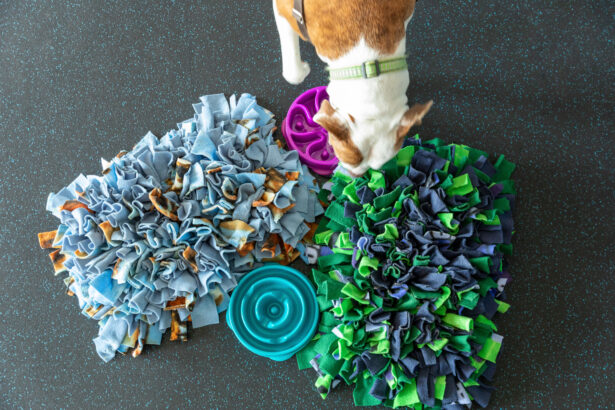
Lick mats
If you need to train your bulldog in a small or confined space, such as for grooming in the bath or crate/cage training, lick mats are a great tool. Not only are they a good-based reward, which works well for food-orientated doggos but they’re also a great motivator and distractor.
No-pull harness
Also known as no-choke and no-tug harnesses, no-pull harnesses are just what it says on the tin: they’re harnesses that are designed to ease pressure on your doggo’s throat, neck, and chest.
Neck collars and leads can restrict or disrupt your dog’s breathing, and that’s especially the case for brachycephalic breeds, such as English and French bulldogs, pugs, etc. No-pull harnesses reduce the risk of breathing changes or disruptions, and they can also give you, the pet parent, more control over your pet. This makes them great for heavy or larger dogs.
Chew toys (with treats)
There are plenty of different toys on the market that are designed to dispense treats while keeping your doggo entertained and enriched. Durable chew toys with or without the addition of treats are a firm favourite with many an English bulldog – they have been for both of our bullies, anyway.
These toys (and/or treats) make for great training rewards, particularly towards the end of training sessions, and for many different reasons, too. Chewing is a soothing action for most canines. Providing them with something to chew will not only help them but it will also help you by preventing your four-legged friend from eating your shoes/remotes/walls/doors/etc.
Retractable lead
Leads that allow you to let your dog have more of less freedom are amazing for teaching your bulldog things like boundaries, recall, patience, and much more besides. It’s important to give your bully some freedom during training; otherwise, you’ll never really know how much they have or haven’t learned.
If you have never tried to recall your doggo (since you first trained them,) how will you ever know whether or not the recall actually works?
Training bulldogs tips: conclusion
And there you have them, pet parent friends: the 101 tips to making training bulldogs a breeze. What did you think of them? Have you learned something new? Are you going to take some of these bully training techniques and hacks in the future? If so, we’d love to hear how it went, what you thought, and how your pampered pooch reacted!
Let us know in the comments below… and let new bully pet parents learn without having to go through the proverbial hard way first!