British or English bulldogs are well known for being somewhat difficult in the medical and health department, especially when it comes to allergies. The range of bulldog breeds are prone to allergies and secondary health complications, and it’s one of the things that you will, no doubt, need to take into consideration at some point in your bulldog parent life.
So, let’s dig right in and find out the answer to: What allergies do English bulldogs have?
What allergies do English bulldogs have?
English or British bulldogs (whatever your name preference is,) can suffer from a range of allergic reactions. These can range in severity, too – from the mild and barely noticeable to severe and life-threatening.
We’re going to take a closer look at each individual allergy, what causes it, and what you can do to help stop or prevent it.
Atopic dermatitis
Also known as atopy, atopic dermatitis is lifelong, chronic, but manageable once diagnosed disease.
Some dogs have a malfunctioning outer layer of skin, known as the epidermis. It malfunctions by essentially overreacting to allergens that a normally functioning epidermis wouldn’t overreact to. The overreaction is what causes the symptoms, which includes excessive scratching and licking, which in turn cases hair loss and skin infections.
Alongside English or British bulldogs, several other dog breeds are commonly affected, including labradors, Boston terriers, pit bulls, boxers, and mixed-breeds or mutts. Male and female dogs are equally affected, according to Cornell University College of Veterinary Medicine.
Atopic dermatitis affects different dogs in different ways, and its also often affected by seasonal changes, too. Many dogs experience worsening symptoms during spring and summer, when pollen is rife, for example.
Allergies to food
English bulldogs are prone to food allergies, as are French and American bullies, too. Many doggos have intolerances or allergies to “winged” protein – and chicken is one of the highly debated meats.
George the Bulldog was allergic to chicken and wheat. We needed to avoid those foods at all costs; otherwise, the poor bully would have lots of scratching, licking, grumbling, inability to get comfortable, and a very upset stomach.
Frank the Bulldog is not allergic to chicken, but lots of chicken can cause some symptoms. This is indicative of more of an intolerance than an allergy.
Alongside chicken many bulldogs also have allergies or intolerances to the following:
- Beef
- Soy
- Rice
- Dairy
- Wheat
- Grain
- Eggs
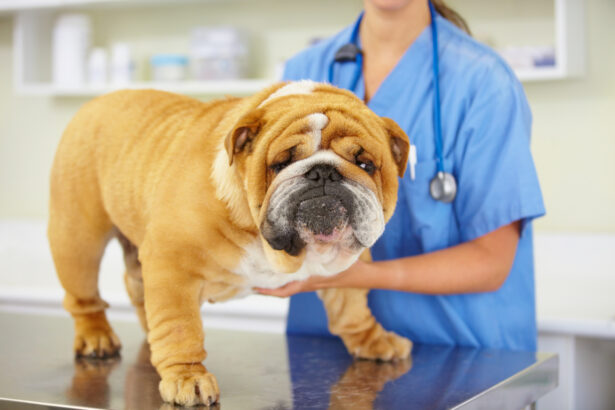
Your vet can perform allergy testing to find out which exact foods will cause discomfort and potential pain for your bulldog.
A little common sense (and gut instinct) also helps. George repeatedly had diarrhoea whenever he had chicken, and the symptoms stopped when we removed chicken from his diet. It was pretty safe for us to assume that he had either an intolerance or allergy to the meat, so we stopped giving it to him.
Allergies to fleas, mites, and/or ticks
Bulldogs commonly suffer from flea allergy dermatitis, also known as FAD. This is when the dog is allergic to the saliva of fleas. When the flea bites, the saliva causes great discomfort, causing excessive scratching, itching, licking, etc.
What makes FAD so difficult for owners, pets, and vets alike is that fleas aren’t on the dog’s kin for long enough to be spotted.
As VCA Animal Hospitals states:
“Dogs with FAD do not have to be infested with fleas to be itchy. A single flea bite can cause itching for several days.”
Bulldogs can also experience allergic reactions to tick bites (alongside the potential disease risks,) and also mites; both of which bring symptoms such as redness, itching, excessive licking and scratching, swelling, and potential risks of infection.
Seasonal allergies
Just as humans can suffer with hay fever when winter turns into spring each year, bulldogs can suffer just the same – with sneezing, runny eyes, a bit of a chesty cough, and all the other symptoms that we associate with hay fever.
Things that can kickstart an allergic reaction include:
- Pollen
- Weeds
- Grasses
Sometimes, these allergy triggers are avoidable. There are things you can do to minimise the severity of your bulldog’s allergic reaction, such as:
- Walk during low-pollen times
- Avoid high-pollen areas (lots of flowers, etc.)
- Don’t walk during the hottest time of the day (11am to 2pm)
- Keep house windows closed as much as possible during high-pollen times
- Use air purifiers in the home to keep pathogens to a minimum
- Clean and vacuum the home regularly
- Regular checkups at the vet – for medication, etc.
- Clean your bulldog’s paws when entering the home
Contact allergies
George the Bulldog had quite the aversion to one particular brand of household cleaning product – and that can often be the case with flat-breed dogs, such as English, French, and American bulldogs.
It’s not always immediately obvious what’s causing your bulldog to scratch, lick, and itch furiously. It wasn’t for us, anyway. We had to use a system of trial and error – avoiding one particular product, seeing if it made a difference, then trying another when it didn’t.
Once you remove the specific thing that’s causing your bulldog’s contact allergies, the allergy and symptoms will start to fade away. If they don’t, you haven’t found the contact allergies cause yet.
Alongside cleaning and other household products and chemicals, the following can cause allergies in English bulldogs:
- Skin cells (dander)
- Dust
- Dust mites
- Wasp or bee stings
Mould allergies
Mould can have exceptionally dangerous consequences on humans and pets alike in the home. Symptoms of mould allergies and reactions in bulldogs are fairly similar to those in humans, too.
Mould allergies in bulldogs will have symptoms such as:
- Coughing
- Wheezing
- Breathing changes or difficulty breathing
- Sneezing
- Runny eyes
- Repeated, chronic infections – skin, ears, and eyes
- Excessive itching, licking, and scratching
- Food and water avoidances
- Disinterest in toys and playtime
- Reduced movement and/or mobility
- Change to body odour
Repeated, long term exposure to mould can prove toxic – again, to both humans and bulldogs in the home alike.
It is vital that you locate, then eradicate all signs of mould in your home. It’s also important to ensure that your bulldog doesn’t come close to mould in the outside world, too.
The consequences of ignoring mould could be, quite literally, lethal.
Bulldog allergy symptoms and signs
Different allergens will create different allergic reactions in bulldogs, so the symptoms and signs will look different for each root cause.
Pollen and grasses that cause seasonal allergies might make your bully sneeze and have runny eyes.
Allergens that cause skin reactions, on the other hand, will likely come with scratching, itching, and licking, usually in specific areas. Redness, swelling, and broken skin are also common. The latter brings with it a high risk of infection.
Food allergies often result in symptoms such as vomiting and diarrhoea, generalised (not one specific spot) body scratching, and food or drink avoidance.
Other symptoms that can often accompany allergies in English bulldogs, according to Dog’s Trust, are:
- Reddening or swelling on, in, or around the ears
- Yellow or black discharge from the ears
- Raised rashes (known as hives)
- Interdigital redness or swelling
- Broken skin with blood, pus, and other fluids
Very severe allergies can bring what is known as anaphylactic shock. The symptoms of this include difficult breathing, vomiting and/or diarrhoea, fainting, collapsing, seizures, coma, and even death.
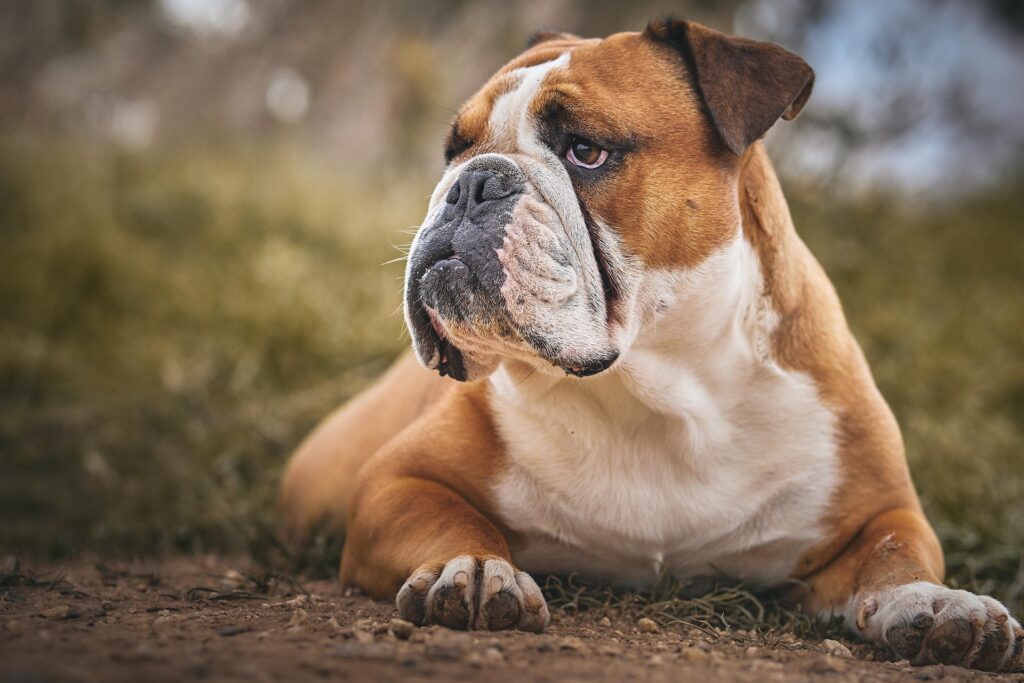
Conclusion: What allergies do English bulldogs have?
Bulldogs, particularly English bulldogs, can have a wide variety of allergies – many of which they’re more prone to developing than other dog breeds. This includes seasonal allergies, food allergies, contact allergies, bug allergies, and more.
If in doubt, always seek advice from your vet. Oftentimes, the problem is easily solved with a diagnosis and some sort of treatment, but you can only get the ball rolling by first making an appointment.