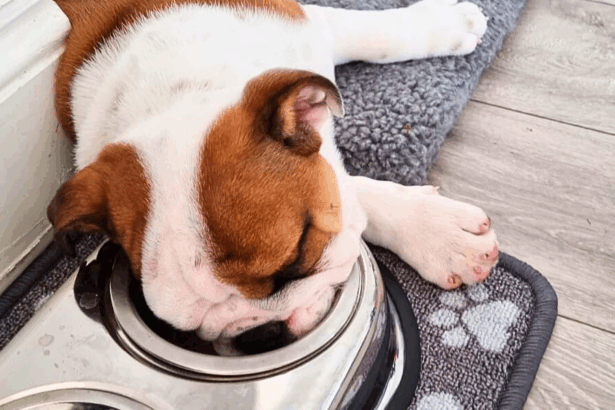
If you’re not already aware, bulldogs are well known for their delicate digestive systems, and it doesn’t take much, to trigger allergies and intolerances, the likes of which you might not have seen before. The breed is also well known for a host of medical problems, including hip dysplasia, which is why a safe, healthy, and reliable bulldog-friendly anti-inflammatory diet is so important.
Shall we take a closer look and learn more?
I think we should.
- Best Bulldog-Friendly Anti-Inflammatory Diet
- Switch from chicken to oily fish
- Reduce soy-based foods
- Switch from beef to hydrolysed proteins
- Avoid wheat-filled food
- Incorporate sweet potato into your bulldog’s diet
- Switch from multi-protein to single protein
- Add turmeric
- Switch from old to novel protein food
- Incorporate coconut oil
- Switch from dog treats to blueberries
- Anti-inflammatory bulldog snacks
- Bad Anti-Inflammatory Diet for Bulldogs
- Best Bulldog-Friendly Anti-Inflammatory Diet: Conclusion
Best Bulldog-Friendly Anti-Inflammatory Diet
You might be surprised to learn that it doesn’t take a lot of work to switch your doggo from a triggering diet to a safe one – and we’re going to discuss everything you should know about it all today.
As always, before we begin, always speak to your veterinarian about making any changes to your bulldog’s diet or lifestyle. This ensures that you can get advice and information on how to do it slowly, safely, and with minimal side effects.
Switch from chicken to oily fish
The bulldog community is split pretty much fifty-fifty when it comes to feeding their pampered pooches chicken. Many of the dogs suffer from an intolerance or allergy to the meat, and it could be the reason why your bully suffers from weird, inflammatory-related symptoms.
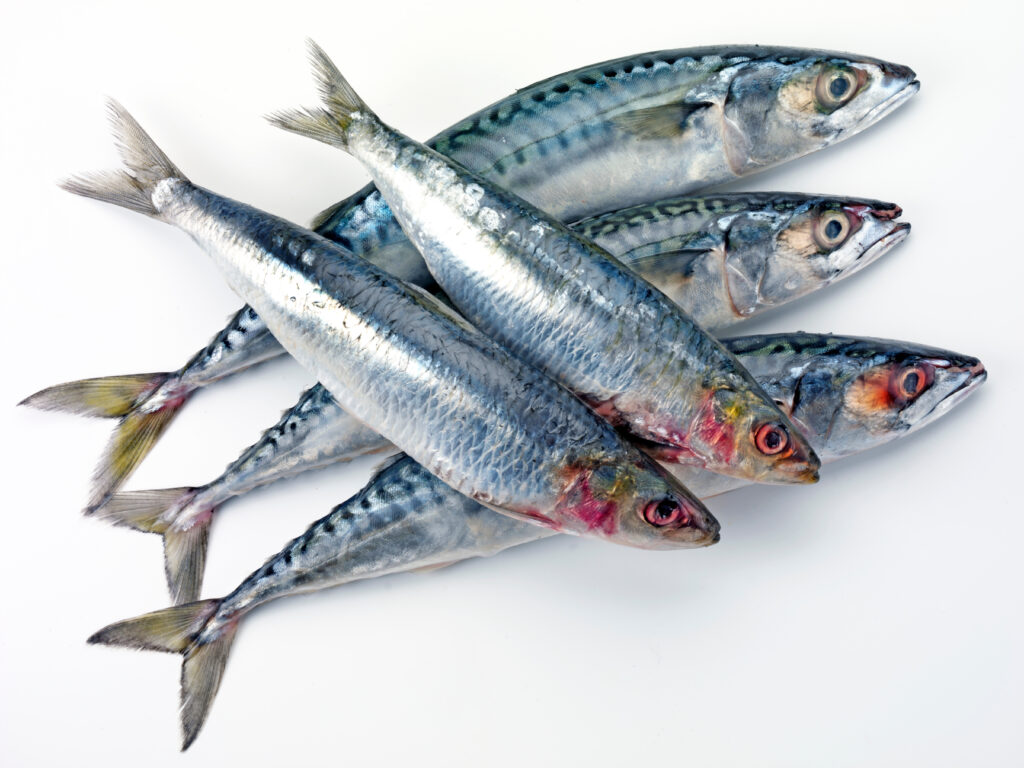
It’s always better to avoid chicken rather than risk it. Look for other, safer options, such as sardines, salmon, mackerel, tuna, and other types of oily fish.
Why?
Because they contain eicosapentaenoic acid and docosahexaenoic acid, also known as EPA and DHA respectively. These are omega-3 fatty acids, and they’re super important for your dog’s joints. Not only do they provide a wealth of joint benefits, including anti-inflammatory properties, but they also help to combat skin issues, the decline of cognitive function, and even problems with cardiovascular health.
Don’t just take our word for it, though; PetMD states that EPA and DHA help with those and more, including:
- Some cancer types
- Diabetes
- Epilepsy
- IBD (inflammatory bowel disease)
- Kidney disease
- Arthritis
You can also add omega-3 oils in the form of supplements to your bulldog’s food, but the original oily fish is best for both taste and nutritional benefits.
Reduce soy-based foods
Soy-based dog foods are super common for cost-cutting reasons, but they’re also one of the most common allergens for bully breeds. The protein can cause excess yeast, leading to severe yeast infections; very upset stomachs; and scratching and itching so bad that it leaves hotspots on their skin.
That’s not all, unfortunately. Your bully will have an immune system response to the yeast, upset stomach and hotspots, which, in turn, then causes inflammation – the exact thing that we’re trying to avoid here.
Soy can also cause VERY bad flatulence (and those bully farts stink!) alongside potential thyroid issues and hormonal interference, and it can cause the dreaded bloat.
All in all, soy = very bad for bullies with inflammation.
The best bulldog-friendly anti-inflammatory diet contains as little soy as possible.
Switch from beef to hydrolysed proteins
Just like chicken, beef can be problematic for many bully breeds, causing allergy or intolerance symptoms such as:
- Issues with digestion, such as bringing food back up, gagging, and excessive or very stinky gas
- Chronic infections, particularly ear infections
- Skin issues such as hotspots and chronic itching
- Vomiting and/or diarrhoea due to fatty bits of steak/meat
- Pancreatitis due to fatty meat
These symptoms can all come with or alongside inflammatory issues, particularly with the digestive system. Switching from beef to hydrolysed proteins instead, can reduce most, if not all of them.
Why?
Hydrolysed uses water to break down the larger chemical component of protein into much smaller chunks, which are much more manageable for dogs to consume and digest.
PetMD describes the hydrolysed proteins as “invisible” to a dog’s immune system.
The hydrolysation part takes care of the first part of digesting the protein, in a way, so your pooch doesn’t need to work so hard to do it.
Arden Grange offers a range of hydrolysed chicken-based foods for dogs, and they state:
“Hydrolysed chicken is a specially processed form of chicken protein that’s broken down into smaller pieces, making it easier for dogs to digest and less likely to trigger an adverse reaction – even in dogs with a known chicken intolerance.”
Avoid wheat-filled food
Things like wheat, corn, and soy are notoriously bad for bulldogs because they break down into sugar, which then goes on to feed the things that can cause inflammation, or the inflammation itself.
Foods with a high starch content, including potatoes, are the wrong type of foods for a bulldog (and virtually all other dog breeds.) A diet that is high in starch has been proven to cause things like obesity, breathing issues, and, once again, a high yeast content that can lead to chronic and severe infections. Lots of yeast also makes your dog stink, even if you do regularly bathe them.
All of these issues lead to inflammation and faster degradation of joints than with doggos that are fed a low-starch, low-wheat diet.
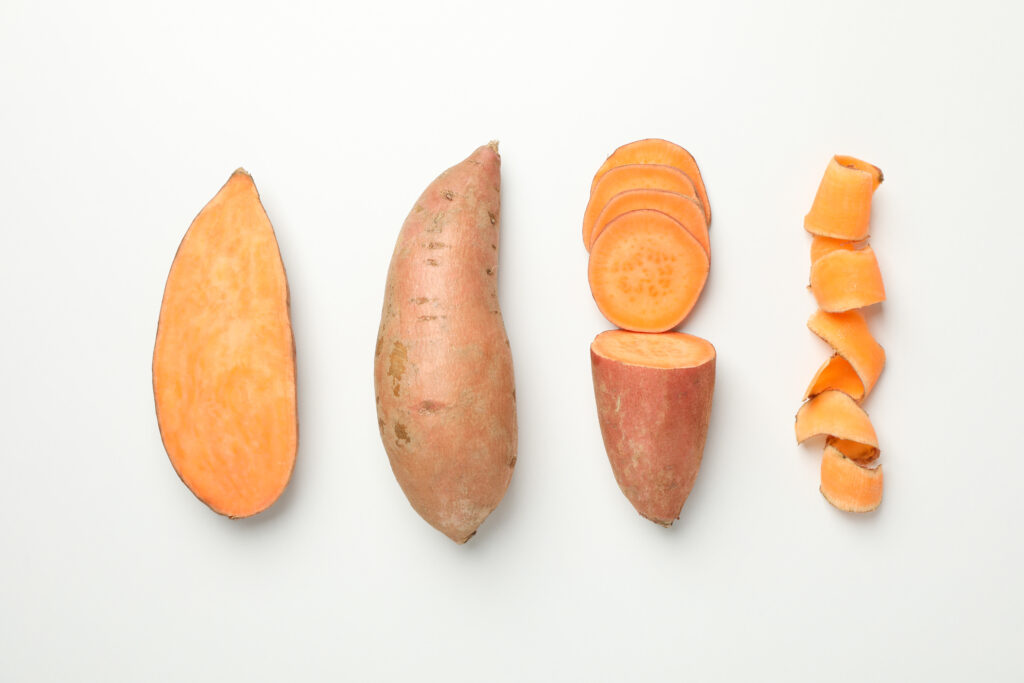
Incorporate sweet potato into your bulldog’s diet
Years describes sweet potato as “easy to digest” and “gentle on sensitive stomach,” which makes it the perfect ingredient for bullies and their sensitive ways. That’s not the only thing that makes it useful, though; it also contains antioxidants, such as beta-carotene, which is known for reducing inflammation.
Pumpkin is another vegetable that contains beta-carotene, alongside vitamin C and fibre – all of which are, again, useful when fighting back against bulldog inflammation.
Switch from multi-protein to single protein
When you feed your bulldog a mix of different proteins, such as chicken and beef, you are overloading their digestive systems and making it much harder for them to process food.
Instead, you should switch to a single protein only, and preferably a novel or hydrolysed one.
Why?
Your bully will have a much easier time trying to digest and process one type of protein rather than two – and that’s especially the case for pups with an allergy or intolerance.
Using two or more proteins in their diet also increases the chance that your doggo will experience an intolerance, and you’ll eventually have a much harder time trying to find something that doesn’t cause them to have symptoms.
One at a time; that’s the trick, pet parents.
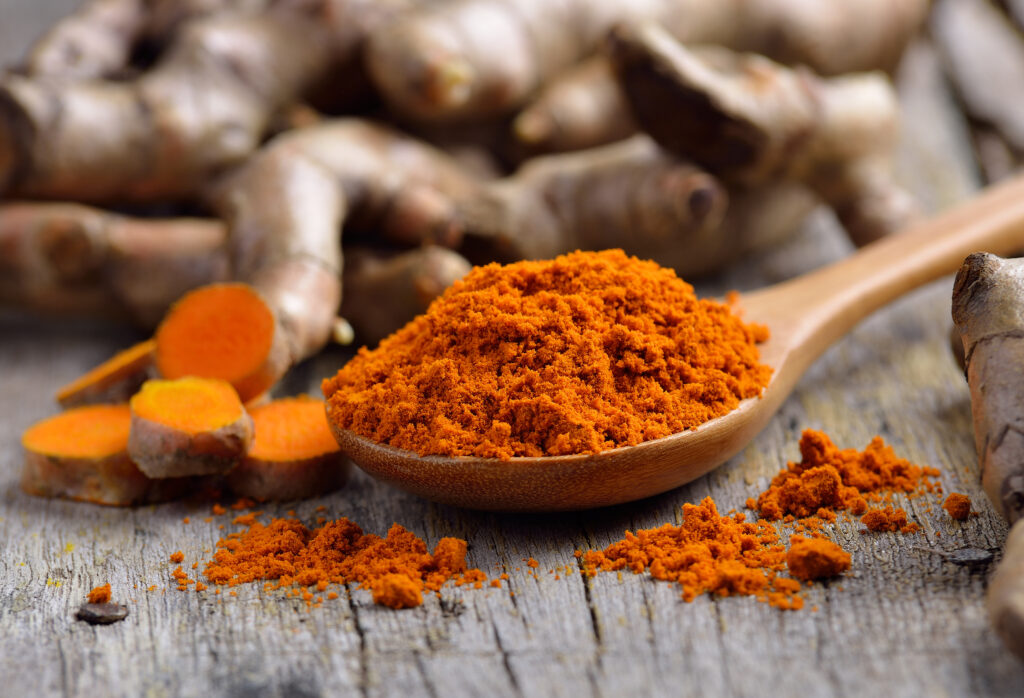
Add turmeric
Turmeric has been used in medicine for millennia, and as Pooch and Mutt states:
“It contains curcumin, an antioxidant known to reduce inflammation in the body.”
Most owners use a trick known as “Golden Paste,” and you can find the recipe on P&M’s website.
Alternatively, you can sprinkle ¼ teaspoon of turmeric powder over your dog’s food (wet or dry; it doesn’t matter) or mixed in with a bit of peanut butter.
Alongside turmeric, ginger (fresh) can offer anti-inflammatory benefits for your doggo, and it also contains antioxidants, which can help to prevent various types of cancer.
As always, though, make sure that you have a chat with your vet before adding turmeric, ginger, or anything else to your bully’s diet. The last thing you want to do is make things worse, right?
Switch from old to novel protein food
Novel means new, and novel protein food means new proteins that your bully hasn’t tried before. If your bulldog has only ever eaten chicken for their entire life, slowly and safely make the chance to a novel or new type of protein, such as beef. Or better yet, something like:
- Insect proteins
- Salmon
- Venison
- Duck
- Wild boar
- Rabbit
- Ostrich
- Kangaroo
- Pheasant
- Turkey (if not already tried)
Why?
A new type of protein is a type that your dog hasn’t already tried and developed an allergy or intolerance to. These healthier versions also contain fewer inflammatory-inducing ingredients or compounds, which gives you double the luck of finding something that doesn’t irritate your pup’s digestive system.
Incorporate coconut oil
Coconut oil is so beneficial for doggos, and it’s a lot easier to incorporate into their diet than you first may have thought. You can use the oil to sauté vegetables or lightly fry meat, and if that’s not your thing, you can always just drizzle some straight onto your dog’s regular kibble or wet food. In my humble opinion, wet food works better.
Why?
When used in small amounts, coconut oil offers anti-inflammatory properties, antifungal properties, immune system boosting benefits, and even help with weight loss.
As a side note, obesity in dogs puts a lot of strain on their joints, so bringing your pupper down to a healthy weight will greatly reduce the chances of them experiencing symptoms relating to inflammation.
Coconut oil isn’t the only type to have anti-inflammatory benefits for bulldogs, too. As VCA Hospital states:
“Flaxseed oil is used as a dietary supplement to treat inflammatory conditions such as allergies, arthritis, kidney disease, heart disease, diabetes, epilepsy, and some types of cancer in cats, dogs, and other animals.”
You should avoid sunflower oil, which is high in omega-6 fatty acids. These fatty acids aren’t great for doggos trying to beat inflammation.

Switch from dog treats to blueberries
Commercially-sold doggo treats aren’t the only things you can use to train your dog; you can use a wide variety of fresh fruits and vegetables. Blueberries are a great place to start if you’re looking for the best bulldog-friendly anti-inflammatory diet.
Why?
Well, there are actually lots of reasons, and these include:
- Slowing down the degradation of cartilage with the same antioxidant that makes the fruit purple: anthocyanins
- Helping to repair muscle damage
- Post-exercise snack for faster recovery
- Keeping the skin healthy and protected with vitamins C and K
- Boost eye health with lutein and zeaxanthin
- Reduce dark tear stains
- Improve brain health
- Blood sugar regulation
- Low calories
And that’s just to name a few!
Anti-inflammatory bulldog snacks
There are plenty of other healthy fruits and vegetables that can be used in the place of commercial dog treats, too. These include:
Celery helps to reduce inflammation by reducing fluid retention.
Steamed broccoli (cool/cold) slows down the production of enzymes that are known to cause degradation and destruction of joints. Raw broccoli also works well, but you should cut it into small enough chunks for your bully to eat it without choking. (You know how they get.)
Green lipped muscles contain Omega-3 fatty acids that aren’t found in oily fish, and offer a huge boost to cell recovery, particularly joint cartilage.
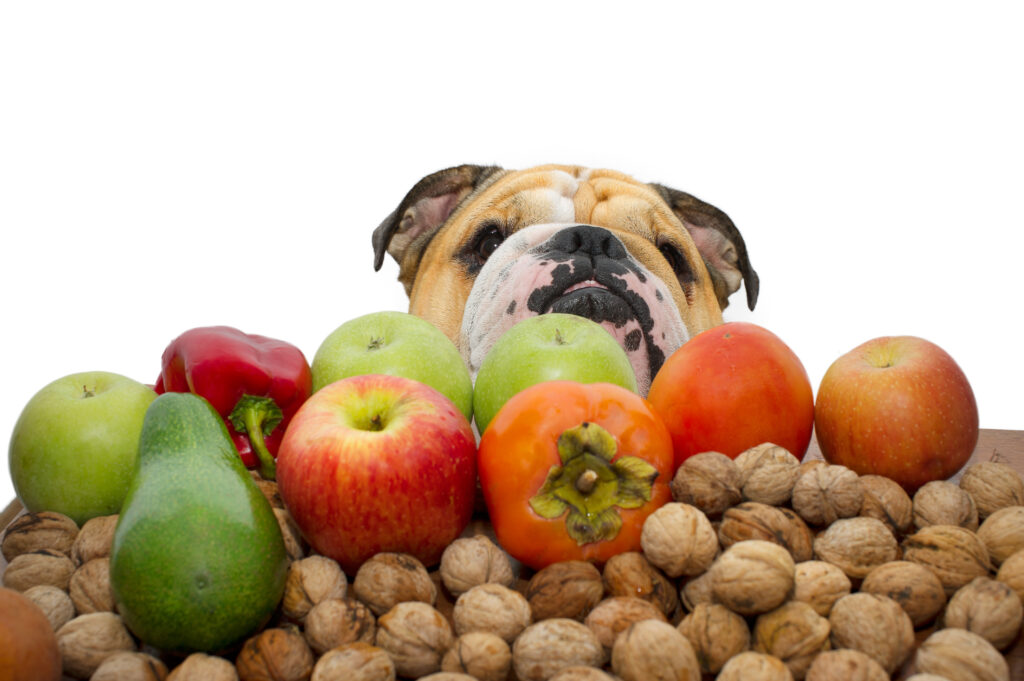
Apples (with the peel) contain a flavonoid called quercetin, which works as a natural antihistamine and, just like the rest of the foods on this anti-inflammatory list, reduces inflammation throughout the body, particularly on itchy and red hotspots.
Pineapple contains something called bromelain, a well-known anti-inflammatory enzyme that, when used in moderation, can provide relief, particularly in the hotter months of the year. We all love a bit of pineapple in the sun, don’t we?
Raspberries in SMALL amounts are great for adding things like fibre and vitamins to your bulldog’s diet, and the fruits also contain compounds that help to fight inflammation, particularly in older dogs. You must only give your dog a couple of raspberries at a time, though; they contain the dreaded xylitol, which, as we all know, is deadly for dogs.
Carrots contain vitamin A and beta-carotenes, just like the sweet potatoes we discussed earlier on. They’re a great tool to use when you’re looking for a bulldog-friendly anti-inflammatory diet, and can be eaten both raw and cooked (then cooled.)
Bad Anti-Inflammatory Diet for Bulldogs
We’ve already mentioned that beef, chicken, and soy are particularly bad for bulldogs if you’re looking for anti-inflammatory properties, but there are plenty of other culprits to avoid.
These include:
- High-sugar food
- Processed foods
- High salt content foods
- Cheese, milk, and other dairy products
- Rice
- Corn
- High-fat meats, such as bacon or processed meats
- Fatty oils, such as canola, corn, and sunflower (Omega-6)
- Artificial additives, such as artificial flavouring
You should also avoid dog foods that contain any of the following words on the packaging, according to Stem Cell Vet:
- Byproduct
- Hull
- Bran
- Meal
All of these ingredients are known to cause inflammation, or other symptoms that lead to an immune response, then inflammation.

Best Bulldog-Friendly Anti-Inflammatory Diet: Conclusion
And there you have it: the best bulldog-friendly anti-inflammatory diet, combining healthy and fresh ingredients with immune-boosting snacks that have many more benefits than just anti-inflammatories.
We’ve said it before and we’ll continue to say it: always, always, always consult with your veterinarian before making any changes to your bulldog’s diet, including the tips that we have implemented here. In doing so, you can ensure that changes have the absolute best results and health-boosting properties.